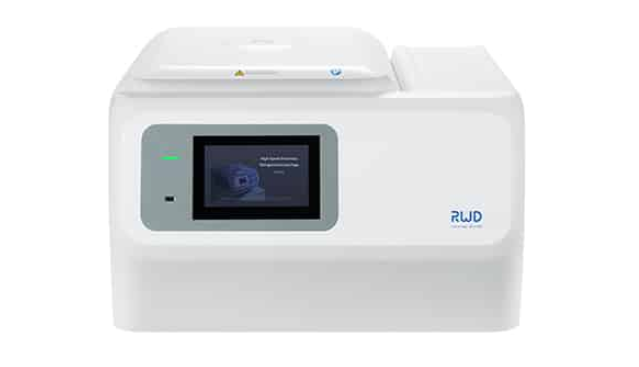
Introduction to Tabletop Refrigerated Centrifuge
A tabletop refrigerated centrifuge is a compact and efficient instrument widely used in laboratories for separating components of liquid samples. Unlike traditional centrifuges, these devices incorporate a refrigeration system, ensuring that heat-sensitive samples, such as enzymes, proteins, or nucleic acids, are maintained at a stable temperature during high-speed centrifugation. Their small footprint makes them ideal for laboratories with limited bench space, while offering high performance comparable to larger centrifuge models.
How Tabletop Refrigerated Centrifuge Works
tabletop refrigerated centrifuge operate using centrifugal force generated by spinning rotors at high speeds. Samples contained in tubes are subjected to this force, causing denser particles to move outward and settle at the bottom while lighter components remain above.
The refrigeration system plays a crucial role in preserving the integrity of delicate biological or chemical samples. Temperature-controlled operation prevents thermal degradation, ensuring the quality and reliability of experimental results. Many modern units also feature programmable controls, allowing precise regulation of speed, duration, and temperature.
See also: SFM Vompile: Advanced Techniques for Animation Mastery
Applications Across Laboratory Environments
Tabletop refrigerated centrifuge devices are versatile and serve multiple laboratory applications:
- Clinical Laboratories: Separation of blood, plasma, and serum for diagnostic analysis.
- Molecular Biology Research: Isolation of DNA, RNA, and proteins for genetic or biochemical studies.
- Pharmaceutical Industry: Quality control and formulation analysis of drugs.
- Food and Beverage Testing: Measurement of fat content, sediment separation, and liquid analysis.
- Environmental Studies: Concentration of particulate matter or microorganisms from water and soil samples.
These applications demonstrate the broad utility of tabletop refrigerated centrifuge units in ensuring accurate and reproducible laboratory results.
Key Features of Modern Tabletop Refrigerated Centrifuge
When selecting a tabletop refrigerated centrifuge, several features enhance functionality and reliability:
- Precision Temperature Control: Maintains stable temperatures for sensitive samples.
- Adjustable Speed and Acceleration: Suitable for various sample types and experimental protocols.
- User-Friendly Interface: Digital display and programmable settings for easy operation.
- Rotor Flexibility: Compatibility with different tube sizes and sample volumes.
- Safety Mechanisms: Automatic imbalance detection, lid locking, and over-temperature protection.
These features allow researchers and laboratory technicians to work efficiently while maintaining sample safety.
Advantages Over Conventional Centrifuges
Compared to non-refrigerated or floor-standing centrifuges, tabletop refrigerated centrifuge models offer significant advantages:
- Sample Stability: Cooling prevents denaturation or degradation of sensitive materials.
- Space Efficiency: Compact design suitable for small lab spaces.
- Operational Efficiency: High-speed separation with minimal manual intervention.
- Programmable Protocols: Ensures reproducibility and reduces human error.
These benefits make tabletop refrigerated centrifuge devices highly desirable for laboratories performing routine or high-precision work.
Maintenance and Care
Regular maintenance is essential to keep a tabletop refrigerated centrifuge performing reliably. Best practices include:
- Cleaning rotors and chambers after each use to prevent contamination.
- Periodic calibration of speed and temperature to maintain accuracy.
- Inspecting electrical connections, gaskets, and seals for wear and tear.
- Ensuring proper ventilation to maintain optimal cooling efficiency.
Adhering to manufacturer-recommended maintenance schedules ensures long-term performance and reduces downtime.
Selecting the Right Tabletop Refrigerated Centrifuge
When choosing a tabletop refrigerated centrifuge, consider the following factors:
- Sample Volume and Tube Compatibility: Ensure the rotor can accommodate your required sample sizes.
- Temperature Range: Match the cooling system to the sensitivity of your samples.
- Speed Requirements: Confirm the device can achieve the necessary centrifugal forces.
- Ease of Use: Look for intuitive controls and programmable functions.
- Supplier Reliability: Purchase from trusted suppliers for quality, warranty, and support.
Selecting the right unit ensures optimal performance and prevents unnecessary stress on sensitive samples.
Technological Advancements
Recent developments in tabletop refrigerated centrifuge technology have enhanced laboratory workflows. Features like touchscreen interfaces, energy-efficient refrigeration, pre-programmed protocols, and data logging improve usability and compliance with regulatory standards.
Additionally, connectivity options in some models allow remote monitoring, data tracking, and integration with laboratory information management systems, improving operational efficiency and record-keeping.
Cost and Investment Considerations
Although tabletop refrigerated centrifuge units may have a higher initial cost than basic centrifuges, the benefits are substantial. Protection of heat-sensitive samples, reproducible results, and increased laboratory efficiency justify the investment.
A high-quality tabletop refrigerated centrifuge reduces errors, minimizes repeat testing, and ensures long-term operational reliability, making it a worthwhile investment for both research and clinical laboratories.
Conclusion
Tabletop refrigerated centrifuge units are essential instruments for laboratories requiring precise, temperature-controlled separation of samples. Their compact design, programmable features, and reliable cooling make them suitable for clinical diagnostics, molecular research, pharmaceutical testing, and environmental studies.
By selecting the appropriate model and maintaining it properly, laboratories can ensure consistent results, preserve sample integrity, and enhance overall productivity. Investing in a tabletop refrigerated centrifuge is a strategic decision that supports efficient, accurate, and high-quality laboratory operations.