Evaluating Business Performance and Growth Metrics: 935217989, 8181564444, 120994560, 646213025, 6312107131, 917246465

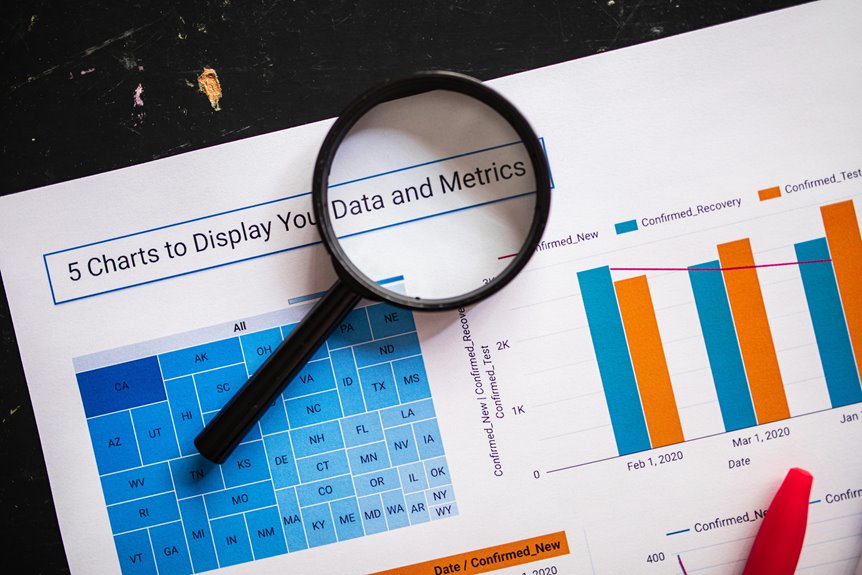
Evaluating business performance and growth metrics requires a methodical approach to understanding the significance of various numerical indicators. The figures presented—935217989, 8181564444, 120994560, 646213025, 6312107131, and 917246465—represent more than mere data points; they embody the potential insights that can drive strategic decisions. However, without proper context and analysis, their meanings may remain obscured. What underlying trends and implications exist within these numbers? Exploring this further reveals critical dimensions of business evaluation.
Understanding Business Metrics: What Do the Numbers Mean?
How can businesses truly grasp the implications of their performance metrics?
By engaging in rigorous business analytics, organizations can uncover the metric significance behind the numbers. This understanding enables them to make informed decisions, optimizing operations and fostering growth.
A thorough interpretation of these metrics allows businesses to identify trends, assess efficiency, and ultimately achieve a more liberated and agile operational framework.
Key Performance Indicators: Identifying the Right Metrics
Identifying the right Key Performance Indicators (KPIs) is vital for businesses aiming to translate raw data into actionable insights.
Effective metric selection requires a strategic approach, incorporating elements such as:
- Relevance to business goals
- Clarity and simplicity
- Quantifiable results
- Comparability for performance benchmarking
- Timeliness for decision-making
This focused selection empowers organizations to drive growth and enhance operational efficiency.
Analyzing Growth Trends: Interpreting the Data
In analyzing growth trends, the selection of appropriate key performance indicators (KPIs) is crucial for accurate interpretation of data.
Effective data visualization techniques further enhance the understanding of these metrics, allowing for a clearer identification of patterns and anomalies.
Key Performance Indicators
While various metrics can provide insight into business performance, Key Performance Indicators (KPIs) serve as essential tools for analyzing growth trends and interpreting data effectively.
These indicators facilitate performance measurement and align with metric benchmarks, enabling businesses to:
- Assess profitability
- Track customer satisfaction
- Evaluate operational efficiency
- Monitor sales growth
- Identify market trends
This targeted analysis fosters informed decision-making and strategic planning.
Data Visualization Techniques
Effective data visualization techniques are crucial for translating complex growth trends into comprehensible insights. By employing various chart types and visualization tools, businesses can enhance data clarity.
Interactive dashboards facilitate data storytelling, allowing stakeholders to engage with graphical representations meaningfully. Such methods not only illuminate trends but also empower decision-making, fostering a culture of freedom and informed action within organizations.
Leveraging Metrics for Strategic Decision-Making
In the realm of strategic decision-making, the identification of key performance indicators (KPIs) serves as a foundational step in aligning business objectives with measurable outcomes.
Identifying Key Performance Indicators
How can organizations ensure they are measuring the right aspects of their performance to drive strategic decisions?
Identifying key performance indicators (KPIs) is crucial for aligning metric relevance with strategic objectives.
Effective KPIs are often characterized by:
- Clear performance benchmarks
- Alignment with business goals
- Actionable insights
- Regular review and adjustment
- Data-driven foundations
These elements collectively enhance decision-making efficacy and organizational agility.
Data-Driven Decision Processes
While many organizations recognize the importance of metrics in guiding strategic decisions, the true challenge lies in their ability to integrate data-driven insights into the decision-making process.
Effective data analytics enable performance optimization, facilitating informed choices that align with long-term objectives.
Common Pitfalls in Metric Evaluation and How to Avoid Them
What factors contribute to the misinterpretation of business performance metrics? Several common pitfalls can lead to metric misinterpretation and data overload.
Avoiding these issues is crucial for effective evaluation:
- Lack of context
- Over-reliance on a single metric
- Ignoring data quality
- Neglecting stakeholder perspectives
- Overcomplicating reports
Addressing these pitfalls enhances clarity, ensuring metrics serve their intended purpose in decision-making.
Case Studies: Successful Applications of Performance Metrics
Examining real-world applications of performance metrics reveals the profound impact they can have on business growth and strategy.
Successful companies leverage performance benchmarks to assess metric applications, driving informed decision-making.
For instance, a tech firm enhanced productivity by implementing KPIs aligned with strategic goals, resulting in a 25% revenue increase.
Such case studies underline the critical role of tailored performance metrics in achieving sustainable success.
Conclusion
In conclusion, the careful evaluation of business performance metrics, such as the striking figure of 8181564444, underscores the importance of aligning KPIs with organizational goals. By focusing on these critical indicators, businesses can unveil growth trends and make informed strategic decisions. However, it is essential to navigate potential pitfalls in metric interpretation to ensure data integrity and stakeholder engagement. Ultimately, a comprehensive approach to performance evaluation fosters sustainable growth and enhances overall organizational effectiveness.