ByAda
Business Performance Evaluation and Market Forecasting: 585554303, 914904040, 374945100, 4808456358, 917283690, 923285104
Business performance evaluation and market forecasting are critical processes for organizations seeking to thrive in competitive landscapes. By focusing on key metrics and data analytics, companies can gain insights into their operational efficiency and market dynamics. The use of numerical identifiers can further enhance the analysis of performance trends. However, the question remains: how can businesses effectively integrate these strategies to not only measure success but also anticipate future challenges?
Understanding Key Metrics for Business Evaluation
While numerous factors influence a company’s overall performance, understanding key metrics for business evaluation serves as a crucial foundation for informed decision-making.
Key metrics, such as revenue growth, profit margins, and customer acquisition costs, provide essential performance benchmarks.
The Role of Data Analytics in Market Forecasting
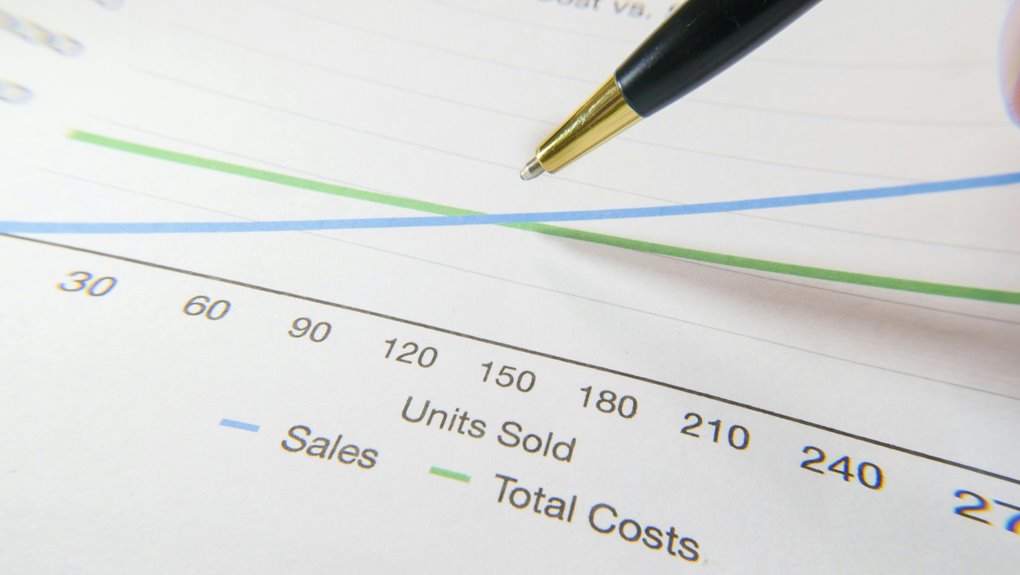
Data analytics has emerged as a pivotal tool in market forecasting, enabling businesses to navigate complex market dynamics with precision.
By leveraging data visualization techniques, organizations can identify trends and anomalies effectively.
Furthermore, predictive modeling allows for the anticipation of future market behaviors, providing strategic insights that empower decision-makers.
Ultimately, data analytics fosters a more agile and informed approach to market forecasting, enhancing overall business performance.
Analyzing Performance Trends Using Numerical Identifiers
In the context of business performance evaluation, identifying key performance indicators (KPIs) is crucial for measuring success.
Numerical data interpretation techniques provide a framework for analyzing these indicators, enabling businesses to discern patterns and shifts in performance over time.
This analysis not only aids in understanding current trends but also facilitates accurate forecasting, thereby informing strategic decision-making processes.
Identifying Key Performance Indicators
Identifying key performance indicators (KPIs) is crucial for organizations aiming to assess their operational efficiency and market positioning effectively.
By establishing performance benchmarks and utilizing productivity metrics, firms can evaluate financial ratios that indicate revenue growth and market penetration.
Additionally, monitoring customer satisfaction and conducting risk assessments enables strategic decision-making, fostering improved operational efficiency and long-term sustainability in a competitive landscape.
Numerical Data Interpretation Techniques
Numerous techniques exist for interpreting numerical data, each providing valuable insights into performance trends and organizational health.
Numerical visualization aids in presenting complex data clearly, facilitating understanding of patterns.
Meanwhile, data correlation identifies relationships between variables, revealing underlying factors that influence performance.
Together, these methods empower organizations to make informed decisions, enhancing strategic planning and fostering a culture of data-driven freedom.
Trends Analysis and Forecasting
Effective interpretation of numerical data sets the stage for robust trends analysis and forecasting.
By examining trend dynamics through various forecasting methodologies, businesses can identify patterns that reveal future performance trajectories. This analytical approach empowers organizations to make informed decisions, fostering an environment conducive to growth and adaptability.
Embracing these insights aligns with the pursuit of operational freedom and strategic innovation.
Case Studies: Successful Data-Driven Strategies
The examination of successful data-driven strategies reveals the transformative impact of data-driven decision making and predictive analytics across various industries.
Case studies illustrate how organizations leveraged advanced analytics to enhance operational efficiency and forecast market trends with greater accuracy.
Through these examples, a clearer understanding of the strategic benefits of implementing data-driven approaches emerges, highlighting their critical role in driving business performance.
Data-Driven Decision Making
Although many organizations recognize the importance of data in shaping strategic decisions, only a select few have successfully integrated data-driven methodologies into their operational frameworks.
These successful entities leverage data visualization to enhance their decision frameworks, enabling clearer insights and more informed choices.
Predictive Analytics Success Stories
While many companies struggle to harness the potential of predictive analytics, several have successfully transformed their operations and strategic outlook through well-executed data-driven strategies.
By leveraging advanced predictive modeling and innovative analytics tools, these organizations have enhanced decision-making processes, optimized resource allocation, and improved customer engagement.
Such success stories highlight the transformative power of data-driven insights in achieving competitive advantage and operational excellence.
Tools and Technologies for Effective Evaluation
Effective evaluation of business performance hinges on the strategic implementation of various tools and technologies, which not only streamline data collection but also enhance analytical capabilities.
Key resources include:
- Data visualization software for clear insights
- Performance dashboards for real-time monitoring
- Business intelligence tools for comprehensive analysis
- Predictive analytics platforms for forecasting trends
These instruments empower organizations to make informed, strategic decisions.
Future Trends in Business Performance and Forecasting
How will emerging technologies reshape the landscape of business performance evaluation and forecasting? Future outlooks indicate a shift towards data-driven insights, enabling organizations to set more accurate performance benchmarks. Machine learning and AI will enhance predictive analytics, leading to proactive decision-making.
| Technology | Impact on Evaluation | Future Outlooks |
|---|---|---|
| AI | Improved accuracy | Enhanced forecasting |
| Big Data | Comprehensive insights | Dynamic benchmarking |
| Cloud Computing | Increased accessibility | Real-time analysis |
Conclusion
In the intricate tapestry of business performance evaluation and market forecasting, data serves as the loom weaving insights and strategies. As organizations harness the threads of key metrics and advanced analytics, they illuminate pathways through the fog of uncertainty, transforming potential pitfalls into stepping stones for growth. The future beckons with the promise of dynamic adaptation, where businesses, like skilled navigators, chart their courses with precision amidst ever-changing tides, ensuring resilience and sustained success in a volatile landscape.