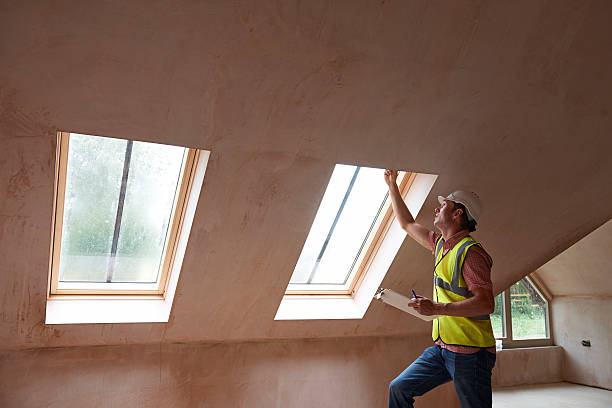
Buying or maintaining a home is one of the most significant investments many people make in their lifetime. Ensuring that your home is safe, structurally sound, and in good condition is crucial. This is where a residential home inspection becomes essential. A home inspection provides a thorough evaluation of a property’s condition, helping homeowners and buyers make informed decisions and avoid unexpected expenses.
What Is a Residential Home Inspection?
A residential home inspection is a comprehensive assessment of a house’s overall condition. Licensed or certified inspectors examine various aspects of the property, from structural components to mechanical systems, to identify potential problems or safety hazards. Unlike contractors who may focus on repairs, a home inspector provides an unbiased report highlighting both existing and potential issues, allowing property owners or prospective buyers to take necessary actions.
Home inspections are not limited to just identifying problems; they also provide insight into a property’s maintenance needs and lifespan of critical components such as roofs, plumbing, and heating systems.
Why Residential Home Inspections Are Important
Residential home inspections offer a wide range of benefits for homeowners, buyers, and real estate professionals:
- Safety Assurance:
Inspectors identify potential hazards such as faulty wiring, structural weaknesses, or mold infestations. Detecting these issues early helps prevent accidents and protects occupants from harm. - Financial Protection:
A home inspection can reveal hidden defects that might lead to expensive repairs in the future. Buyers can negotiate repair costs or request fixes before completing the purchase, saving money in the long term. - Maintenance Planning:
Even for current homeowners, inspections highlight areas that require attention, allowing for proactive maintenance. This helps extend the life of essential systems like HVAC, plumbing, and roofing. - Peace of Mind:
Knowing the condition of a home provides confidence to buyers and sellers alike. Inspections reduce uncertainty and ensure informed decision-making. - Legal and Regulatory Compliance:
Inspectors can verify that the property meets local building codes and regulations, especially important for older homes or properties that have undergone renovations.
Key Components of a Residential Home Inspection
A residential home inspection is detailed and covers several areas of the property. While the scope can vary depending on location and property type, common areas of focus include:
- Structural Integrity:
Inspectors assess the foundation, walls, floors, and roof for signs of damage, settling, or water intrusion that could compromise the home’s stability. - Roof and Exterior:
The condition of roofing materials, gutters, downspouts, siding, and exterior finishes is examined to ensure protection from the elements. - Plumbing Systems:
Pipes, faucets, water heaters, and drainage systems are checked for leaks, corrosion, and proper functionality. - Electrical Systems:
Inspectors evaluate wiring, outlets, circuit breakers, and panels to identify potential fire hazards or code violations. - Heating, Ventilation, and Air Conditioning (HVAC):
The efficiency and safety of heating and cooling systems are examined to ensure proper operation and comfort. - Interior Spaces:
Walls, ceilings, floors, windows, doors, and insulation are assessed for damage, wear, or signs of moisture intrusion. - Pest Inspections:
Some inspectors identify signs of termite or pest infestations that could damage the home’s structure.
The Home Inspection Process
A typical residential home inspection involves several structured steps:
- Scheduling the Inspection:
The buyer or homeowner arranges an appointment with a certified inspector. Choosing an experienced professional ensures a thorough evaluation. - Preparation:
Homeowners may be asked to provide access to areas like basements, attics, or crawl spaces. Any records of prior maintenance or repairs are helpful. - On-Site Inspection:
The inspector examines the home using specialized tools and techniques. This can include moisture meters, infrared cameras, or other devices to detect hidden issues. - Reporting:
After the inspection, a detailed report is prepared, documenting all findings with photographs, descriptions, and recommendations for repairs or further evaluation. - Review and Consultation:
The inspector discusses the report with the homeowner or buyer, explaining findings and answering questions. This helps clarify any concerns and guide decision-making.
See also: How Small Home Changes Can Make a Big Impact
Choosing the Right Home Inspector
Selecting a qualified residential home inspector is essential for accurate and reliable results. Key factors to consider include:
- Certification and Licensing:
Inspectors should meet local licensing or certification requirements to ensure credibility and adherence to standards. - Experience:
Inspectors with extensive experience in residential properties are more likely to identify subtle or hidden issues. - Reputation:
Reviews, references, or professional affiliations can help verify reliability and professionalism. - Comprehensive Services:
A thorough inspector evaluates all critical components of the home, including structural, mechanical, electrical, and plumbing systems. Some may also offer optional services such as mold testing, pest inspections, or energy efficiency assessments.
Common Misconceptions About Home Inspections
There are several myths surrounding residential home inspections:
- “New homes don’t need inspections.”
Even newly constructed homes can have defects or incomplete work. Inspections ensure all aspects meet safety and quality standards. - “Inspections are only for buyers.”
Current homeowners benefit from inspections for routine maintenance, problem prevention, and ensuring long-term safety. - “Inspectors fix the problems.”
Inspectors identify and report issues but do not perform repairs. Their role is advisory, helping homeowners make informed decisions.
Impact on Real Estate Transactions
A home inspection can significantly influence real estate decisions. Buyers often rely on inspection reports to negotiate repairs or pricing before completing a purchase. Sellers can also use inspections proactively to address issues and present their property in the best condition. In many cases, a home inspection report provides both parties with confidence and clarity during the transaction process.
Advancements in Home Inspection Technology
Technology is enhancing residential home inspections. Tools like drones, thermal imaging cameras, and moisture detection devices allow inspectors to identify hidden issues more effectively. Digital reporting platforms also streamline documentation, making it easier for clients to access and understand inspection findings.
Additionally, modern inspections may focus on energy efficiency and sustainability. Inspectors can evaluate insulation, energy consumption, and renewable energy systems, helping homeowners reduce costs and environmental impact.
Conclusion
A residential home inspection is a vital step for anyone buying, selling, or maintaining a home. It provides an objective, detailed assessment of a property’s condition, ensuring safety, financial protection, and peace of mind. By identifying existing and potential issues, homeowners can make informed decisions, plan maintenance, and protect their investment.
Whether you are purchasing your first home, selling a property, or simply maintaining your current residence, scheduling a home inspection is a wise decision. By choosing a certified and experienced inspector, you ensure that your property is safe, functional, and well-maintained for years to come.