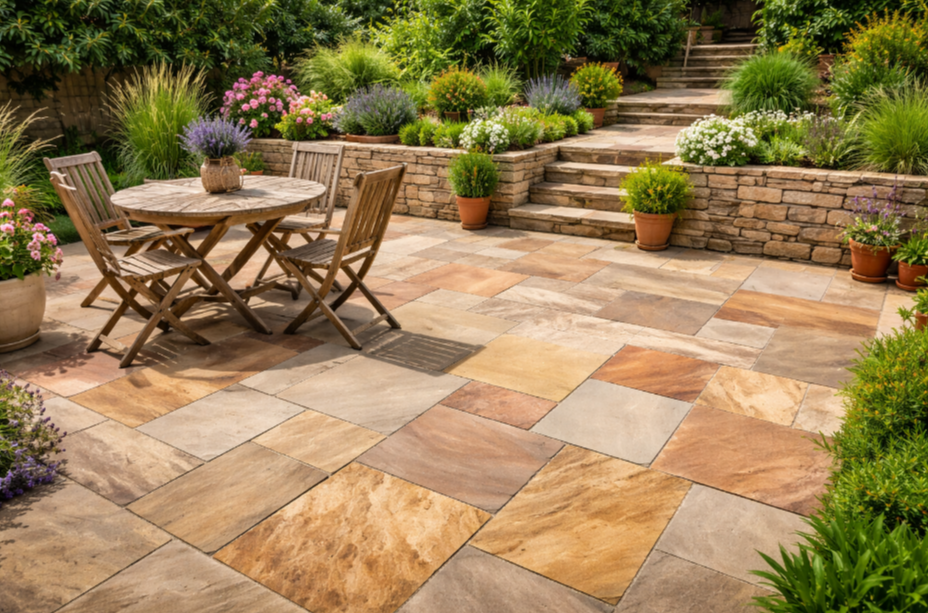
Choosing the right material for your outdoor spaces can transform a garden, patio, or walkway. Among the many options available, paving slabs made from Indian sandstone have become a preferred choice for homeowners and designers alike. These natural stone slabs not only enhance the visual appeal of any outdoor area but also provide durability and long-lasting performance. In this article, we will explore the pros, cons, and maintenance tips for paving slabs made from Indian sandstone, helping you make an informed decision for your next project.
Understanding Indian Sandstone Paving Slabs
Indian sandstone is a type of sedimentary rock, known for its natural beauty and varied textures. Paving slabs crafted from Indian sandstone are quarried in India and exported worldwide for landscaping purposes. Each slab has unique patterns and earthy tones, ranging from golden yellows and reds to subtle browns and greys, making them an attractive option for both traditional and modern outdoor designs.
Paving slabs made from Indian sandstone are versatile and can be used in various applications, including garden paths, driveways, patios, pool surrounds, and commercial outdoor areas. Their natural composition allows them to withstand different weather conditions while maintaining their aesthetic charm. Unlike concrete or manufactured alternatives, Indian sandstone paving slabs have a timeless appeal, offering an elegant finish that blends well with natural surroundings.
Advantages of Indian Sandstone Paving Slabs
1. Aesthetic Appeal
One of the most significant benefits of choosing Indian sandstone paving slabs is their visual appeal. The natural variation in color and texture creates a warm and inviting atmosphere. Each slab is unique, ensuring that no two installations look exactly the same. This individuality can elevate the overall design of your outdoor space and add value to your property.
Additionally, Indian sandstone has a soft, natural look that complements plants, trees, and outdoor furniture. Its earthy tones and subtle grains allow it to blend seamlessly with different landscaping styles, from rustic gardens to contemporary patios. Homeowners often choose Indian sandstone paving slabs to create a sophisticated yet natural look that stands out without appearing overly artificial.
2. Durability and Strength
Indian sandstone is known for its robustness, making it suitable for high-traffic areas. Properly installed paving slabs can endure years of use, resisting cracking and erosion caused by foot traffic, light vehicles, or garden equipment. Their durability makes them ideal for both residential and commercial projects.
Moreover, Indian sandstone is resistant to extreme weather conditions, including heat, rain, and frost. Unlike some other natural stones that may erode or discolor over time, Indian sandstone maintains its integrity and appearance for decades, provided it is maintained correctly. This longevity reduces the need for frequent replacements, making it a cost-effective choice in the long run.
3. Slip Resistance
Safety is a key consideration for outdoor paving, especially in areas prone to wet conditions. Indian sandstone paving slabs often have a textured surface that provides excellent slip resistance. This natural grip helps prevent accidents in gardens, pool areas, or patios, offering peace of mind for families and visitors.
Even when wet, the surface of Indian sandstone remains relatively non-slip compared to polished stones or certain concrete slabs. This feature makes it a practical choice for homes with children or elderly residents who require safer walking surfaces.
4. Eco-Friendly Material
Choosing Indian sandstone is also an environmentally conscious decision. As a natural stone, it does not require extensive chemical processing, reducing its environmental footprint compared to synthetic alternatives. Additionally, its long lifespan minimizes the need for replacements, contributing to sustainable landscaping practices.
Many landscaping designers appreciate Indian sandstone not only for its beauty but also for its sustainability. Incorporating natural stone paving slabs into outdoor projects supports eco-friendly construction while delivering a timeless aesthetic.
Potential Drawbacks of Indian Sandstone Paving Slabs
While Indian sandstone has many benefits, it is essential to consider potential drawbacks before making a purchase.
1. Cost
Indian sandstone paving slabs can be more expensive than concrete or other manufactured alternatives. The price depends on the quality, thickness, and finish of the slabs, as well as transportation costs. For larger areas, the initial investment can be significant. However, the long-term durability and aesthetic appeal often justify the expense.
2. Maintenance Requirements
Although Indian sandstone is durable, it requires regular maintenance to retain its natural beauty. Over time, dirt, moss, and algae can accumulate on the surface, making it slippery or discolored. Routine cleaning with a mild detergent and occasional sealing can prevent staining and extend the lifespan of the paving slabs.
3. Color Fading
Exposure to direct sunlight can sometimes cause subtle color fading in Indian sandstone. While the effect is gradual and often barely noticeable, it is a factor to consider if you want to maintain the original vibrant tones of the slabs. Applying a quality sealant can help preserve the colors and reduce weathering effects.
Maintenance Tips for Indian Sandstone Paving Slabs
Proper maintenance ensures that paving slabs made from Indian sandstone continue to look their best for years. Here are some practical tips to care for your outdoor stone surfaces.
1. Regular Cleaning
Routine cleaning is essential to prevent the buildup of dirt, moss, and algae. Use a soft broom or brush to sweep away debris, followed by washing with water and a mild detergent. Avoid harsh chemicals, as they can damage the stone’s natural finish. Pressure washing should be done cautiously to prevent surface erosion.
2. Sealing the Stone
Applying a high-quality sealant can protect Indian sandstone paving slabs from stains, water absorption, and color fading. Sealants create a barrier against dirt and moss while enhancing the natural color of the stone. It is recommended to reseal the slabs every two to three years, depending on weather exposure and foot traffic.
3. Preventing Stains
Outdoor areas are susceptible to stains from leaves, bird droppings, or spilled liquids. Promptly cleaning spills and organic matter can prevent long-term discoloration. For stubborn stains, a specialized stone cleaner suitable for sandstone should be used.
4. Repairing Minor Damage
Small chips or cracks can occur over time, especially in high-traffic areas. Repairing minor damage promptly prevents it from worsening. Professional stone repair kits or replacement of individual slabs may be necessary in some cases, but regular inspection helps maintain the overall integrity of the paving.
Final Thoughts on Choosing Indian Sandstone
Paving slabs made from Indian sandstone offer a combination of beauty, durability, and functionality that few other materials can match. Their natural texture, color variations, and slip-resistant surface make them an excellent choice for homeowners looking to enhance their outdoor spaces. While they require a higher initial investment and some maintenance, the long-term benefits far outweigh the drawbacks.
For those seeking a natural and elegant solution for gardens, patios, or walkways, Indian sandstone paving slabs present an ideal option. By following proper care and maintenance routines, homeowners can ensure that their paving slabs remain visually appealing and durable for many years. Investing in Indian sandstone is not just about aesthetics; it is about creating an outdoor environment that is safe, sustainable, and timeless.