As mobile devices pass through trade-in, return, and reuse programs, businesses must ensure that each device is accurately assessed and handled with care. Two critical components of this process are mobile diagnostics and data transfer. When used within a structured Device Lifecycle Management framework, these capabilities help businesses improve efficiency, accuracy, and customer confidence.
Mobile diagnostics and data transfer are not consumer-facing tools. They are software-driven processes designed to support businesses managing devices at scale, enabling consistent evaluation and responsible handling throughout a device’s lifecycle.
The Role of Mobile Diagnostics in Device Programs
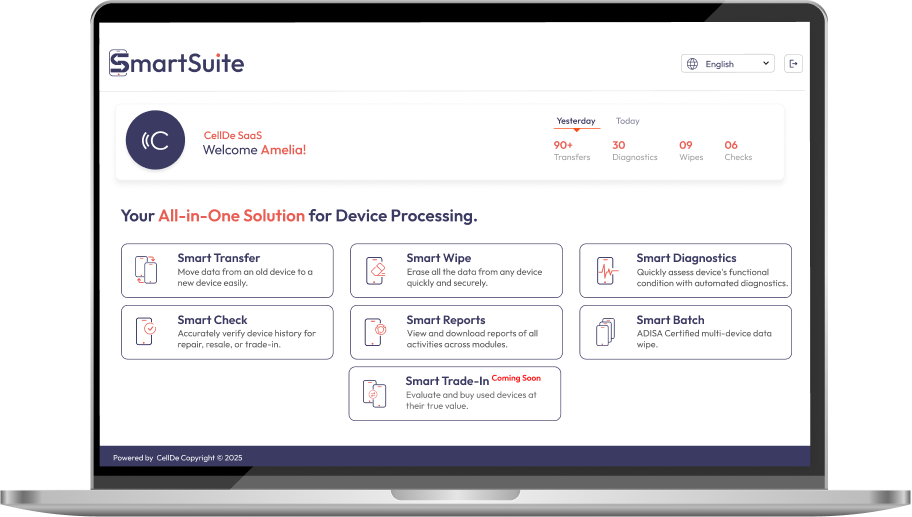
Mobile diagnostics and data transfer provide a systematic way to evaluate a device’s functional condition and manage its data responsibly. Rather than relying on manual inspections or subjective assessments, diagnostics software runs standardized tests to identify performance and hardware status, while controlled data transfer processes support accurate, device-level handling within structured workflows.
Diagnostics typically assess:
- Display and touch responsiveness
- Battery health and charging performance
- Camera and sensor functionality
- Connectivity components such as Wi-Fi and Bluetooth
- Audio, microphone, and speaker performance
By automating these checks, businesses gain reliable insights into device condition early in the lifecycle.
Why Diagnostics Matter for Commercial Operations
For businesses handling large device volumes, inaccurate assessments can lead to disputes, pricing errors, and operational delays. Mobile diagnostics reduce these risks by introducing consistency and repeatability.
Benefits for businesses include:
- Faster device intake and evaluation
- Reduced reliance on manual inspection
- Standardized grading and classification
- Improved accuracy in downstream decisions
This consistency supports smoother trade-in, resale, and reuse workflows.
Supporting Customer Trust Through Accurate Assessments
Although diagnostics are performed behind the scenes, customers of the business benefit directly from accurate device evaluations.
When businesses use reliable diagnostics software, customers experience:
- Transparent condition assessments
- Fair and consistent outcomes
- Reduced disputes over device status
- Faster program turnaround times
This builds trust and confidence without requiring direct interaction between the software provider and individual consumers.
Understanding Data Transfer in Device Lifecycle Management
Data transfer refers to the controlled movement of data from a device during specific lifecycle stages. In commercial environments, data transfer is typically handled on an individual device basis to ensure accuracy and data integrity.
Data transfer processes may support:
- Device setup or inspection workflows
- Controlled movement of data prior to erasure
- Verification steps within lifecycle operations
It is important to note that data transfer is not designed for bulk or parallel processing across multiple devices.
No Bulk Data Migration in Commercial Device Workflows
In Device Lifecycle Management software, bulk data migration is not supported. Each device is handled individually when data transfer is required. This approach ensures:
- Precise handling of each device
- Reduced risk of data errors
- Clear accountability and traceability
Parallel multi-device processing is reserved exclusively for bulk data wiping, not diagnostics or data transfer.
Mobile Diagnostics and Data Transfer as Separate Functions
While mobile diagnostics and data transfer are both important, they serve distinct purposes within the lifecycle.
- Diagnostics focus on understanding device condition and functionality
- Data transfer supports controlled handling of data during specific workflow stages
Keeping these processes separate ensures clarity, accuracy, and compliance throughout device programs.
Enhancing Operational Efficiency
When diagnostics and data transfer are integrated into lifecycle management software, businesses can streamline operations without sacrificing control.
This integration enables:
- Faster decision-making
- Clear routing of devices based on condition
- Reduced rework and manual intervention
- Improved coordination between teams and locations
As device volumes increase, this efficiency becomes critical for maintaining service quality.
See also: SFM Vompile: Advanced Techniques for Animation Mastery
Supporting Secure Data Handling Practices
Responsible data handling is a cornerstone of Device Lifecycle Management. While diagnostics do not access personal data, data transfer processes must be carefully controlled to prevent exposure or loss.
Lifecycle-focused software ensures that:
- Data handling steps are clearly defined
- Each action is logged and traceable
- Data transfer occurs only when required
- Devices are prepared for secure data erasure
This structured approach supports compliance and risk reduction.
Preparing Devices for Secure Data Erasure
One of the key objectives of diagnostics and data handling is to prepare devices for the next lifecycle stage: secure data erasure.
By confirming device functionality and status, businesses can:
- Identify devices ready for data wiping
- Flag devices requiring alternative handling
- Ensure erasure processes run smoothly
This preparation is essential for maintaining consistency and efficiency in high-volume environments.
Scalability for Growing Device Programs
As commercial device programs expand, businesses need solutions that scale without introducing risk. Lifecycle management software enables diagnostics and data handling to grow alongside operations.
Scalable benefits include:
- Consistent diagnostics across locations
- Centralized visibility into device status
- Standardized workflows for data handling
- Reduced dependency on manual processes
This scalability supports long-term growth and operational resilience.
Conclusion
Mobile diagnostics and data transfer play a vital role in modern Device Lifecycle Management. By providing accurate device assessments and controlled data handling, these capabilities help businesses operate efficiently, reduce disputes, and protect customer trust.
When implemented within lifecycle-focused software—and handled individually rather than in bulk—mobile diagnostics and data transfer support responsible, scalable device programs that meet both operational and compliance requirements.