Indoor air quality plays a crucial role in the health and comfort of occupants in homes and workplaces. Poor air quality can lead to various health issues, including allergies, respiratory problems, and reduced productivity. Maintaining air conditioning systems is a fundamental step toward achieving a safe and comfortable indoor environment.
Regular upkeep ensures that these systems operate efficiently, preventing potential breakdowns and prolonging their lifespan. A comprehensive approach includes cleaning, inspection, and timely servicing to optimize performance.
Importance of Clean Air Systems
Air conditioning systems can accumulate dust, dirt, and other contaminants over time. When left unattended, these particles circulate throughout the indoor environment, impacting air quality and overall health.
Cleaning and maintenance help remove these pollutants, ensuring that the air remains fresh and safe. This also minimizes the risk of mold growth, which can thrive in moist and neglected systems. Proper maintenance supports both health and comfort, creating a pleasant environment for everyone.
Benefits of Regular Maintenance
Routine maintenance offers several advantages beyond improved air quality. Clean systems consume less energy, reducing electricity bills and contributing to environmental sustainability. Additionally, well-maintained units are less likely to experience unexpected breakdowns, saving on costly repairs.
Regular servicing also extends the lifespan of the system. Components such as filters, coils, and fans function optimally when cleaned and inspected periodically, preventing premature wear and tear.
Identifying Signs of Inefficient Performance
Awareness of system performance is essential for timely intervention. Some indicators of inefficiency include uneven cooling, unusual noises, unpleasant odors, and increased energy consumption.
Monitoring these signs helps identify potential issues before they escalate. Timely action ensures that the system continues to provide reliable cooling and maintains energy efficiency.
Key Steps in Air System Maintenance
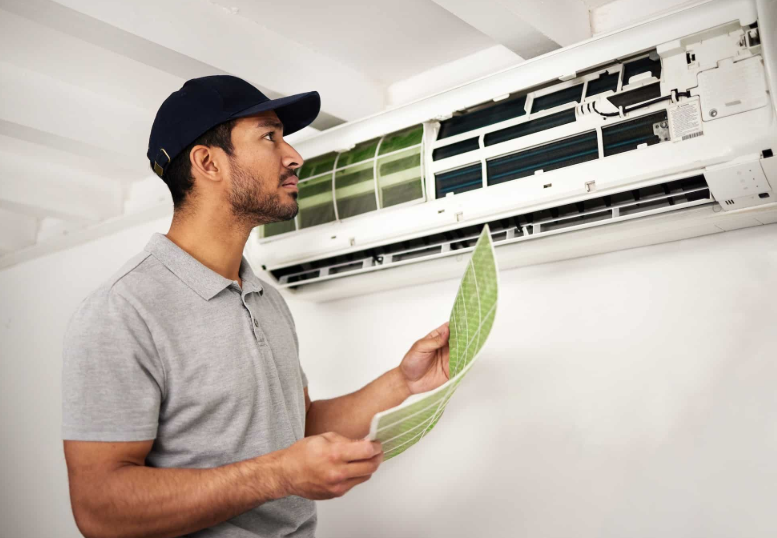
Effective air system maintenance involves several critical steps. Cleaning filters and coils, checking refrigerant levels, and inspecting electrical components are essential tasks. These measures ensure optimal airflow, reduce strain on the system, and enhance overall performance.
Professional technicians can also detect hidden problems such as leaks, corrosion, or mechanical wear that may not be visible during routine checks. Addressing these issues promptly prevents more severe complications.
See also: How Small Home Changes Can Make a Big Impact
Choosing the Right Service Provider
Selecting a qualified service provider is vital for effective maintenance. Experienced professionals have the knowledge, tools, and expertise to perform comprehensive cleaning and inspection.
When evaluating providers, consider factors such as reputation, customer reviews, and certifications. Reliable service ensures that the system receives proper care, maintaining both efficiency and safety.
Health and Environmental Considerations
Maintaining clean air systems has direct AC cleaning service health benefits. By removing allergens, dust, and other pollutants, these systems contribute to improved respiratory health and overall well-being.
Environmentally conscious maintenance also minimizes energy consumption, reducing the carbon footprint associated with operating air conditioning units. Sustainable practices in maintenance contribute to long-term ecological benefits.
Preventive Strategies
Preventive measures complement regular maintenance. Installing high-quality air filters, scheduling routine inspections, and promptly addressing minor issues can prevent major problems.
Education and awareness about system care are also important. Occupants should be informed about proper usage, such as keeping vents unobstructed and ensuring regular filter changes. These practices enhance system performance and prolong its lifespan.
Cost Considerations and Value
Investing in regular maintenance may seem like an additional expense, but it offers long-term savings. Preventing breakdowns, reducing energy consumption, and extending system life provide significant financial benefits.
The cost of routine servicing is often lower than emergency repairs or early replacement. Maintaining an efficient system protects both your investment and comfort.
Conclusion
Ensuring a clean and well-maintained air conditioning system is essential for health, comfort, and efficiency. Regular inspections, cleaning, and servicing prevent problems, optimize performance, and enhance indoor air quality.
Choosing a trusted service provider, adopting preventive strategies, and understanding system needs collectively ensure reliable operation and long-term value. By prioritizing maintenance, individuals and businesses can enjoy safe, comfortable, and energy-efficient indoor environments year-round.