Discreet Private Security and Travel: How VIPs Stay Safe Without Losing Freedom

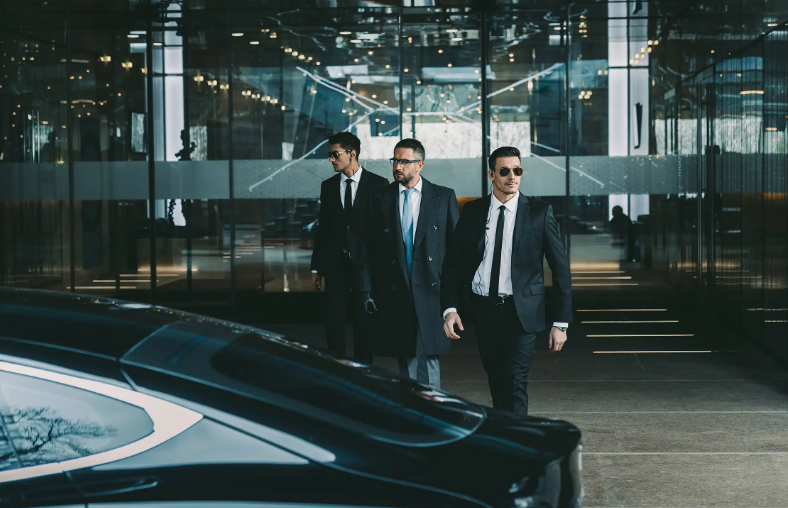
Travel is where VIPs feel the most exposed. Not always because they’re in danger—but because travel creates predictable moments: airports, hotel lobbies, curbside pickups, restaurant entrances, and long “in-between” transitions where people can watch, follow, record, or approach.
The challenge is real: how do you stay safe without turning every trip into a locked-down operation?
The answer is Discreet private security—a protection model built around privacy, planning, and smooth movement, not intimidation or unnecessary restriction. Done right, it doesn’t make the client feel trapped. It makes travel feel normal again.
Below is how VIPs can travel safely without losing freedom.
The Real Risk Isn’t the Destination, It’s the Transitions
Most incidents don’t happen inside a meeting room or private residence. They happen during transitions:
- Walking from the terminal to the vehicle
- Checking into a hotel
- Moving through a lobby or elevator bank
- Arriving at a restaurant
- Entering a venue where people are already waiting
- Leaving an event when crowds surge toward exits
That’s why Discreet private security focuses heavily on movement control. It’s not about “more muscle.” It’s about fewer exposed moments.
1) Travel Planning That Reduces Exposure (Before You Even Leave)
VIP travel safety starts before the flight.
A professional plan includes:
- Choosing arrival times that reduce crowd density
- Route planning with alternates (and avoiding predictable patterns)
- Secure pickup coordination and vehicle staging
- Confirming entrances/exits at hotels and venues
- Identifying safe waiting areas and fallback locations
This is the value of Discreet private security: the risk is managed quietly in advance, so the client doesn’t feel constant pressure during travel.
2) Airport and Arrival: Keep It Smooth, Not Flashy
Airports are high-risk for visibility: cameras everywhere, people lingering, and predictable movement.
Best practices include:
- Staging the vehicle close to a controlled pickup point
- Minimizing curbside waiting time
- Keeping the client moving with purpose (no confusion, no pauses)
- Having one lead person scanning and guiding movement
- Using simple comms so the team stays calm and coordinated
The goal is to avoid drawing attention. Discreet private security is meant to reduce “spectacle,” not create it.
3) Hotel Security: The Lobby Is the Weak Link
Hotels are one of the most common exposure points because the lobby is public and routines become predictable.
VIP best practices:
- Reduce time spent in the lobby (quick entry, quick movement)
- Avoid announcing names loudly at check-in
- Use low-exposure entrances where available
- Keep room details and floor info private
- Avoid patterns like the same elevator and the same entry time every day
Real Discreet private security treats the hotel like a public zone, not a private one.
4) The “Freedom Rule”: Security Should Adapt to the Client
Bad security makes travel frustrating. It says “no” to everything, creates delays, and makes the client feel watched.
Good security supports freedom by:
- Building safe options, not limiting choices
- Planning ahead so changes don’t cause chaos
- Keeping protection low-profile and professional
- Managing risk without becoming controlling
This is what many VIPs want: Discreet private security that works in the background, while life stays flexible.
5) Restaurant and Venue Arrivals: Avoid Bottlenecks
Restaurants and venues create two predictable problems:
- People gather near entrances
- Exits get crowded when the event ends
Best practices:
- Arrive through a controlled side entrance when possible
- Time the arrival to avoid peak crowd buildup
- Have the vehicle staged and ready for quick departure
- Avoid “standing outside” moments where photos and approaches happen
These small details prevent most uncomfortable encounters.
See also: SFM Vompile: Advanced Techniques for Animation Mastery
6) Social Media and Privacy: Modern Travel Risks Are Digital Too
A VIP can be perfectly protected physically and still be exposed through digital behavior.
Risk multipliers:
- Live stories showing locations
- Geotags and check-ins
- Staff or friends posting “where we are”
- Background details revealing hotel/venue
- People tracking routine patterns
This is why Discreet private security often includes simple privacy guidance. Not over-the-top rules—just smart habits that keep the client from becoming easy to locate.
Providers like American Strategic Consulting, PLLC often emphasize confidentiality and movement planning for this reason: privacy is a safety layer.
7) What Discreet Security Looks Like in Real Life
If security is done correctly, it should feel like:
- Smooth travel days
- Calm arrivals and exits
- Minimal delays
- Less attention from strangers
- More privacy and less exposure
- A normal experience—not a security production
That’s the real promise of Discreet private security: protection without disruption.
Final Thoughts
VIP travel doesn’t need to feel restrictive. In most cases, the safest approach is not more force—it’s better planning, better movement control, and stronger privacy habits.
Discreet private security protects freedom by reducing exposure, preventing bottlenecks, and keeping transitions smooth—so VIPs can travel confidently without turning every trip into a scene.
For clients who want professional, low-profile protection built around real-world travel logistics and confidentiality, American Strategic Consulting, PLLC provides security solutions designed to keep travel safe, private, and practical—without taking control away from the client.