ByJohn A
The Growing Use of Commercial Building Skylights in UK Construction
Commercial building design in the United Kingdom has evolved significantly in recent years, driven by changing expectations around sustainability, efficiency, and occupant wellbeing. Developers and designers are increasingly focused on creating spaces that are not only functional but also comfortable and visually engaging. Natural daylight has emerged as a key factor in achieving these goals, influencing both architectural decisions and long-term building performance.
Within this context, Commercial Building Skylights have become an important feature of modern construction, offering a practical solution for introducing daylight into a wide range of commercial environments. Their growing use reflects broader shifts in how commercial buildings are planned, delivered, and experienced.
Daylighting as a Design Priority
Daylighting is now widely recognised as a fundamental component of effective building design. In commercial settings, access to natural light plays a crucial role in shaping how spaces are used and perceived. Well-lit interiors tend to feel more open, comfortable, and inviting, which can have a positive impact on both occupants and visitors.
In offices and workplaces, natural daylight has been linked to improved concentration and reduced fatigue. In retail, hospitality, and public buildings, brighter interiors can enhance user experience and encourage longer dwell times. As a result, daylighting is increasingly considered at the earliest stages of the design process rather than being treated as a secondary consideration.
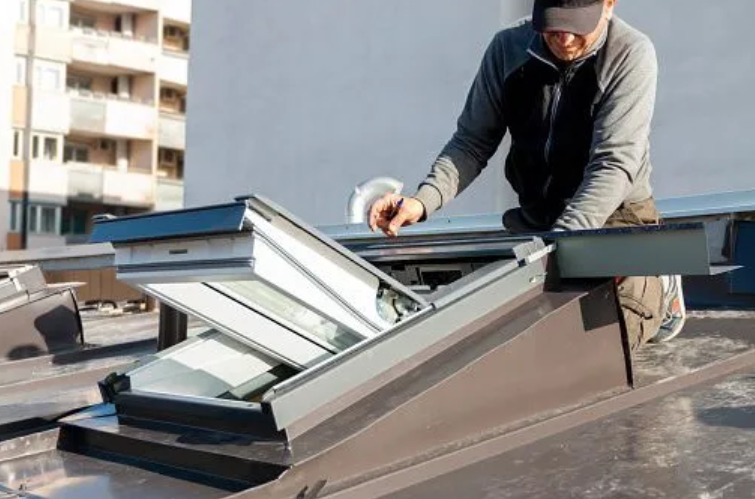
Roof-mounted glazing provides a valuable means of achieving consistent daylight distribution, particularly in large or deep-plan buildings where vertical windows alone may be insufficient.
Responding to Sustainability and Energy Performance Demands
Sustainability continues to shape the UK construction industry, with developers under pressure to reduce energy consumption and meet increasingly stringent building standards. Daylighting strategies play an important role in this effort by helping to lower reliance on artificial lighting during daytime hours.
Modern skylight systems are designed with energy performance in mind. High-quality glazing can provide effective thermal insulation, helping to retain heat in colder months while limiting excessive solar gain during warmer periods. This balance supports comfortable internal conditions throughout the year and contributes to reduced operational energy use.
The integration of Commercial Building Skylights is often part of a wider approach to sustainable design, alongside efficient lighting systems, insulation, and ventilation strategies.
Versatility Across Commercial Applications
One of the key reasons skylights are becoming more common in UK construction is their versatility. They can be incorporated into a wide range of commercial building types and adapted to suit different structural and architectural requirements.
Typical applications include:
- Office buildings and business parks
- Warehouses and logistics facilities
- Retail centres and showrooms
- Educational and healthcare buildings
- Leisure, hospitality, and public venues
Available in various configurations, including fixed and opening units, skylights can be integrated into flat or pitched roofs with minimal visual impact. This adaptability allows designers to tailor daylighting solutions to the specific needs of each project.
See also: Understanding Residential Home Inspections: A Complete Guide
Supporting Compliance with UK Building Regulations
Compliance with building regulations is a critical consideration in commercial development. Skylight systems used in the UK are manufactured to meet requirements relating to safety, structural performance, and energy efficiency.
Glazing specifications typically address factors such as load-bearing capacity, impact resistance, and insulation values. When correctly specified and installed, skylights can contribute to compliance with Part L of the Building Regulations, which focuses on the conservation of fuel and power.
This regulatory alignment provides reassurance for developers and project teams, helping to streamline the approval process and reduce potential risks during construction.
Advances in Skylight Technology and Design
Technological innovation has significantly improved the performance and reliability of modern skylight systems. Developments in glazing coatings, frame materials, and manufacturing techniques have led to products that offer improved durability and thermal performance.
Features such as double or triple glazing, low-emissivity coatings, and thermally broken frames are now widely used in commercial applications. These advances ensure skylights perform effectively in the UK’s varied climate, providing consistent benefits throughout the year.
Specialist suppliers such as Skylights Roof Lanterns work closely with architects and contractors to ensure these systems are integrated seamlessly into commercial designs, balancing technical requirements with architectural intent.
Enhancing Interior Quality and User Experience
Beyond energy and compliance benefits, skylights have a significant impact on the quality of interior spaces. Natural light can transform the atmosphere of a building, making interiors feel more engaging and pleasant to occupy.
In work environments, daylight supports wellbeing and productivity. In public-facing spaces, it enhances ambience and visual appeal. These qualitative benefits are increasingly recognised as important factors in the long-term success of commercial buildings.
Developers are responding to these expectations by prioritising design features that improve comfort and usability, helping to create spaces that remain attractive to occupants over time.
Long-Term Value for Developers and Building Owners
Although skylights represent an initial investment, their long-term value is a key factor in their growing adoption. Reduced energy costs, improved occupant satisfaction, and enhanced property appeal all contribute to a positive return over the building’s lifecycle.
Commercial buildings that offer high-quality daylighting are often more competitive in the property market, supporting stronger demand from tenants and users. This makes skylights a strategic design choice rather than a purely aesthetic addition.
Durability and Maintenance Considerations
Durability and low maintenance requirements are essential in commercial construction. Modern skylight systems are engineered to withstand long-term exposure to weather and environmental conditions, using robust materials designed to resist leaks, condensation, and structural movement.
When professionally installed, skylights typically require minimal ongoing maintenance, reducing operational costs and disruption. This reliability is particularly important in commercial environments where uninterrupted use of space is critical.
Conclusion
The increasing use of skylights in UK commercial construction reflects a broader shift towards buildings that prioritise daylight, efficiency, and occupant wellbeing. As sustainability targets tighten and expectations continue to evolve, roof-based glazing solutions offer a practical and adaptable response to modern design challenges.
By incorporating Commercial Building Skylights into thoughtfully planned developments, designers and developers can create brighter, more efficient, and more resilient commercial spaces that meet the demands of today’s construction landscape.