ByJohn A
Granny Flats Perth WA: Maximizing Property Potential Through Smart Secondary Dwellings
Western Australia’s housing landscape is experiencing a significant transformation as property owners discover the substantial benefits of adding secondary dwellings to existing residential blocks. Granny flats Perth WA have evolved from basic, utilitarian structures to sophisticated, architecturally appealing residences that enhance property functionality while generating impressive financial returns. Understanding the opportunities, regulations, and design considerations surrounding these versatile structures enables homeowners to make strategic decisions that maximize their property investments.
The Growing Appeal of Secondary Dwellings
Perth’s property market faces unique pressures as population growth outpaces housing supply in many desirable suburbs. This imbalance has driven property values upward while reducing rental affordability, particularly for young professionals, retirees, and multi-generational families seeking accommodation options in established neighborhoods. Granny flat homes address these challenges by adding dwelling capacity without requiring new land subdivision or greenfield development.
The financial motivations for constructing secondary dwellings are compelling. Rental income from well-designed granny flats can cover substantial portions of primary mortgage obligations or fund other investment opportunities. This passive income stream continues indefinitely, providing long-term financial security while the property appreciates in value. Many homeowners find that granny flat construction represents their most profitable home improvement investment, delivering returns far exceeding those from pools, renovations, or landscaping.
Beyond financial considerations, secondary dwellings accommodate evolving family structures and lifestyle preferences. Aging parents maintain independence and dignity while remaining close to family support networks. Adult children transition toward independence without facing prohibitive rental costs in tight housing markets. Home offices, creative studios, or short-term accommodation for visitors provide flexibility that enhances daily life quality.
Understanding Perth’s Regulatory Framework
Western Australia’s planning regulations have evolved substantially to facilitate secondary dwelling construction while maintaining neighborhood character and amenity. Current rules generally permit granny flats on residential blocks meeting minimum size requirements, typically around 260 square meters depending on local council requirements. These dwellings must remain ancillary to primary residences, meaning ownership cannot be separated through subdivision or strata titling.
Maximum floor areas typically range from 60 to 70 square meters, though some councils permit larger structures on bigger blocks. Height restrictions generally limit construction to single stories, though some areas allow two-story designs subject to additional approval processes. Setback requirements from boundaries, design standards addressing streetscape compatibility, and parking provisions vary between local governments, making research into specific council regulations essential during planning phases.
Development approval processes have been streamlined to encourage secondary dwelling construction, with many straightforward projects qualifying for expedited approval. However, design quality, neighbor notification requirements, and compliance with building codes remain important considerations. Engaging experienced granny flat builders Perth familiar with local regulations ensures applications satisfy all requirements while maximizing design possibilities within regulatory constraints.
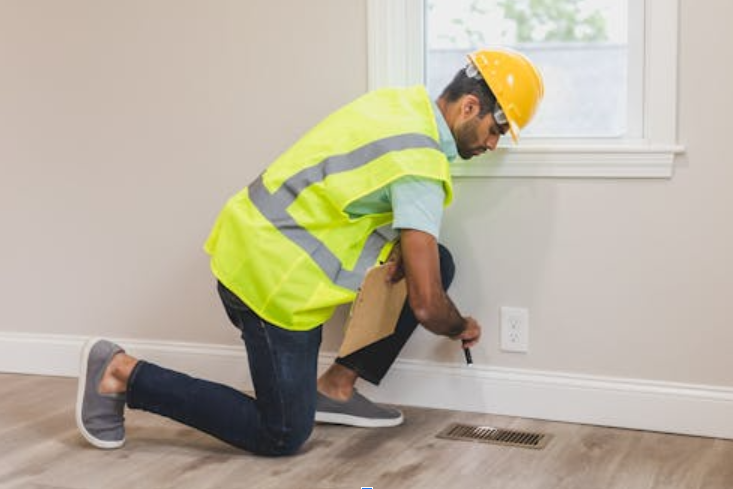
Some councils maintain specific design guidelines addressing architectural style, materials, and landscaping to ensure secondary dwellings complement existing neighborhood character. Heritage areas may impose additional restrictions preserving historical significance. Bushfire-prone zones require construction standards exceeding normal specifications. These variables underscore the importance of thorough site assessment before committing to specific designs.
Design Considerations for Maximum Functionality
Effective granny flat design balances spatial efficiency with livability, creating comfortable environments within compact footprints. Open-plan living areas combining kitchen, dining, and lounge functions maximize usable space while avoiding claustrophobic feelings associated with over-partitioned layouts. High ceilings, generous windows, and glass doors enhance natural light penetration and create visual connections to outdoor areas, making spaces feel larger than actual dimensions suggest.
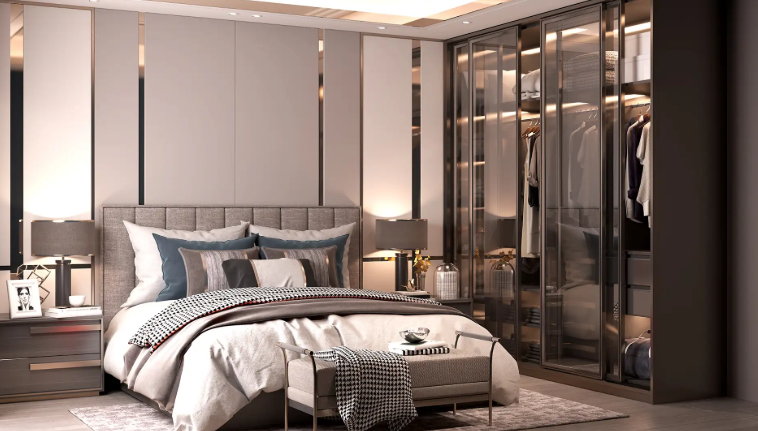
Storage solutions prove critical in compact dwellings where clutter quickly overwhelms limited space. Built-in wardrobes, under-bed storage, kitchen pantries, and external storage cupboards accommodate belongings without compromising living areas. Multipurpose furniture—beds with integrated storage, fold-down dining tables, convertible sofas—further enhance spatial efficiency.
Bathroom and laundry placement significantly impacts layout effectiveness. Locating wet areas adjacent to primary residence plumbing connections reduces construction costs while simplifying service installations. Combined bathroom-laundry spaces save square footage but require careful planning ensuring functionality and privacy aren’t compromised.
Kitchen design balances cooking capability with space limitations. Full-sized appliances maintain functionality while compact layouts minimize circulation requirements. Adequate bench space, storage capacity, and natural light ensure kitchens support comfortable daily living rather than merely satisfying minimal standards.
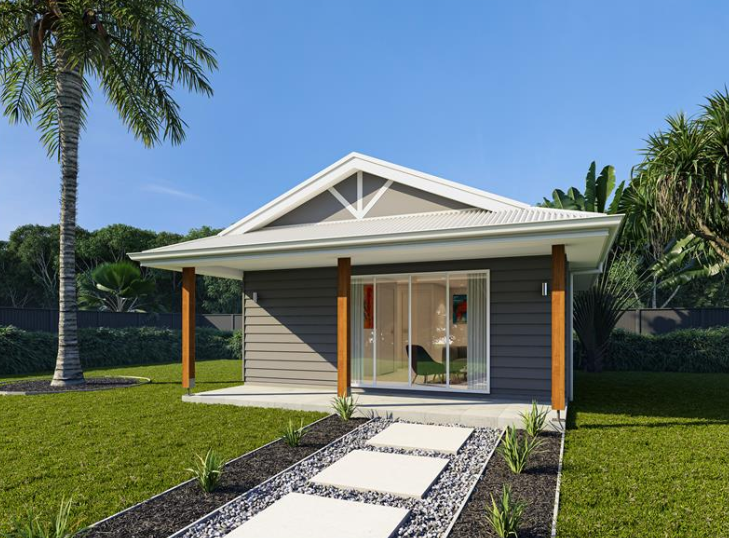
Outdoor connections extend livable space significantly. Covered verandas or patios provide protected areas for relaxation and entertaining, effectively increasing functional floor area during Perth’s long periods of favorable weather. Landscaping, screening, and privacy considerations ensure outdoor spaces remain usable without compromising neighbor amenity.
Construction Methods and Material Selections
Contemporary granny flats employ various construction methodologies, each offering distinct advantages. Traditional stick-built construction delivers maximum design flexibility, allowing custom configurations matching specific site conditions and client preferences. This approach suits complex designs or situations requiring integration with existing structures and landscapes.
Modular construction reduces build times substantially by manufacturing major components in controlled factory environments. Completed sections transport to sites and assemble rapidly, minimizing disruption to existing residences and allowing occupancy months earlier than traditional construction. Quality control improves through standardized manufacturing processes, while weather delays decrease significantly.
Material selections balance aesthetics, durability, maintenance requirements, and budget constraints. Brick veneer provides attractive, low-maintenance exteriors complementing traditional Perth homes. Weatherboard cladding delivers character and versatility at moderate cost. Modern alternatives like fiber cement and composite panels offer contemporary appearances while ensuring long-term performance.
Insulation quality profoundly impacts comfort and energy efficiency. Perth’s climate demands protection from both summer heat and winter cold. High-performance insulation in walls, ceilings, and floors maintains comfortable internal temperatures while reducing heating and cooling costs. Quality windows with appropriate glazing similarly affect thermal performance and should receive careful specification attention.
Roofing selections consider aesthetics, longevity, and thermal properties. Colorbond steel roofing offers durability, variety, and relatively low maintenance. Tile roofing provides traditional appearance and excellent thermal mass but increases structural requirements and costs. Insulated roofing systems, reflective coatings, and adequate ventilation all contribute to comfortable, energy-efficient interiors.
See also: Understanding Residential Home Inspections: A Complete Guide
Financial Considerations and Investment Returns
Granny flat construction costs vary significantly based on size, specifications, site conditions, and construction methodology. Basic structures with standard finishes might represent modest investments, while premium designs with high-end finishes and custom features command substantially higher budgets. Most projects fall within moderate ranges delivering quality accommodation without excessive expenditure.
Financing options include refinancing existing mortgages, construction loans, or utilizing savings. Many lenders now recognize granny flat rental income when assessing borrowing capacity, acknowledging these structures’ contribution to debt servicing capability. This recognition makes construction financing more accessible than previously, when lenders often discounted or ignored potential rental returns.
Rental income potential depends on location, design quality, and local market conditions. Well-designed granny flats in desirable suburbs command weekly rental rates providing attractive returns on construction investments. According to Domain, strategic locations near employment centers, educational institutions, or amenity-rich neighborhoods generate strongest rental demand and optimal financial performance.
Tax implications warrant professional advice, as rental income taxation, depreciation schedules, and capital gains considerations affect net returns. Properly structured arrangements optimize tax positions while ensuring compliance with Australian taxation regulations. Engaging qualified accountants familiar with property investment ensures homeowners benefit from available deductions while meeting reporting obligations.
Property value impacts vary between markets and property types. Generally, well-designed secondary dwellings add substantial value exceeding construction costs, particularly in areas with strong rental demand. This value addition compounds primary property appreciation, significantly enhancing overall investment performance. However, individual circumstances vary, making professional valuation advice prudent when contemplating construction.
Selecting the Right Builder
Choosing appropriate granny flat builders Perth determines project success more than any other single factor. Experience specifically in secondary dwelling construction proves invaluable, as these projects present unique challenges differing from primary residence building or general renovations. Compact sites, integration with existing services, and regulatory navigation all require specialized expertise.
Portfolio review reveals design capabilities, quality standards, and aesthetic sensibilities. Viewing completed projects personally provides insights photographs cannot convey regarding finishes, spatial quality, and construction craftsmanship. Speaking with previous clients offers unfiltered perspectives on builder reliability, communication, and problem-solving abilities.
Licensing verification through the Building Services Board ensures legal compliance and consumer protection. Licensed builders carry mandatory insurance protecting homeowners from potential defects or construction failures. This verification represents basic due diligence protecting substantial financial investments.
Communication approaches significantly impact project experiences. Builders who explain processes clearly, provide regular updates, and respond promptly to questions create collaborative relationships facilitating smooth construction. Transparency regarding pricing, timelines, and potential challenges builds trust and prevents disputes undermining otherwise successful projects.
Warranty coverage provides long-term security beyond construction completion. Understanding what warranties cover, exclusion terms, and claim procedures ensures homeowners can effectively exercise their rights if issues arise. Quality builders stand behind their work through comprehensive warranty programs demonstrating confidence in construction standards.
Overcoming Common Construction Challenges
Site access limitations often complicate granny flat construction on established properties. Narrow passages between buildings, mature landscaping, and existing structures can restrict equipment and material movement. Experienced granny flats builder professionals develop strategies addressing these constraints, whether through manual material handling, crane lifts, or modular construction approaches minimizing on-site work.
Service connections—water, sewer, electricity, and communications—require careful planning and sometimes significant investment. Locating new dwellings near existing service points minimizes extension costs, though this isn’t always possible given site constraints and design requirements. Underground service routing maintains aesthetic quality while protecting infrastructure from damage.
Privacy considerations affect both granny flat occupants and existing residents. Strategic window placement, screening, landscaping, and entry positioning ensure appropriate separation between dwellings. These design elements prevent direct sightlines into private areas while maintaining adequate natural light and outlook.
Stormwater management prevents drainage problems affecting both new and existing structures. Proper grading, downpipe placement, and sometimes underground drainage systems direct water away from buildings toward appropriate disposal points. Perth’s relatively flat terrain and sometimes heavy winter rainfall make effective stormwater design essential for long-term property protection.
Environmental Sustainability in Secondary Dwellings
Compact granny flat designs inherently deliver environmental benefits through reduced material consumption and lower operational energy requirements compared to full-sized homes. This efficiency multiplies when incorporating additional sustainable features addressing energy, water, and waste management.
Solar panel installations generate substantial electricity on small roof areas, often meeting entire dwelling requirements during daylight hours. Battery storage extends solar benefits throughout evenings, reducing or eliminating grid electricity dependence. These systems typically achieve payback within several years through utility savings while reducing environmental impact.
Water-efficient fixtures, appliances, and rainwater collection systems minimize consumption while reducing utility costs. Drought-resistant landscaping maintains attractive outdoor spaces without excessive irrigation demands. These features prove particularly relevant in Perth’s water-scarce context while appealing to environmentally conscious tenants.
Sustainable material selections reduce construction’s environmental footprint. Recycled, locally sourced, and low-emission products decrease embodied energy while supporting responsible manufacturing practices. These considerations align with growing societal emphasis on sustainability while potentially enhancing rental appeal to like-minded tenants.
The Prestige Perth Advantage
Navigating granny flat construction’s complexities demands expertise spanning design, regulation, construction, and project management. Prestige Perth granny flats bring comprehensive capabilities ensuring projects proceed smoothly from initial concept through final completion. Their experience with Western Australian regulations, understanding of local market demands, and commitment to quality construction positions clients for optimal outcomes.
Their collaborative approach engages clients throughout design and construction, ensuring final products truly meet intended purposes while maximizing property value and functionality. This partnership model distinguishes professional builders from those treating projects as purely transactional arrangements.
Conclusion: Strategic Property Enhancement
Granny flats Perth WA represent strategic investments delivering multiple benefits spanning financial returns, family accommodation, property value enhancement, and lifestyle flexibility. As Perth continues growing and evolving, these secondary dwellings will likely become increasingly common features of residential properties throughout metropolitan and regional areas.
Success requires careful planning, regulatory compliance, quality construction, and strategic design addressing both immediate needs and future possibilities. Homeowners who approach projects thoughtfully, engage experienced granny flat builders Perth WA, and maintain realistic expectations consistently achieve outcomes justifying their investments while enhancing daily life quality.
In Western Australia’s dynamic property market, secondary dwellings offer rare opportunities to extract additional value from existing land holdings without requiring property acquisition or major relocations. For homeowners seeking to maximize their real estate investments while maintaining flexibility addressing changing family circumstances, granny flat construction deserves serious consideration as a strategic enhancement delivering lasting benefits.