ByJohn A
Why Proper Service Duct Design Is Vital for Modern Buildings?
Modern buildings rely on complex systems working together seamlessly to support safety, comfort, and efficiency. Behind walls, ceilings, and floors, service infrastructure quietly powers daily operations. One of the most critical yet overlooked components of this infrastructure is service ducts. These enclosed pathways protect and organize essential systems while allowing buildings to function smoothly over time.
Understanding how service ducts are designed, installed, and maintained helps property owners, facility managers, and developers make informed decisions that reduce risk and improve long term performance.
What Are Service Ducts and Why Do They Matter?
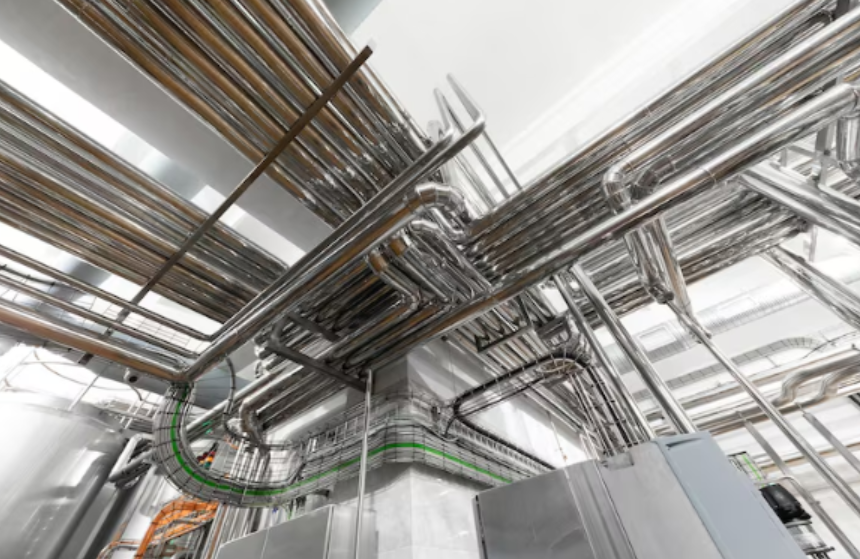
Service ducts are enclosed vertical or horizontal spaces within buildings that house mechanical, electrical, plumbing, and communication systems. These systems must be accessible for maintenance while remaining protected from damage, moisture, and fire hazards.
In well planned buildings, service ducts contribute to safety, organization, and efficiency. Poorly designed ducts can lead to costly repairs, safety concerns, and operational disruptions.
Proper planning for service ducts in buildings ensures that critical utilities remain accessible without interfering with occupied spaces.
Key Systems Housed Inside Service Ducts
Service ducts typically accommodate multiple building systems. Each must coexist without creating interference or safety risks.
Common systems include:
· Air distribution and ventilation components
· Electrical wiring and control panels
· Plumbing and drainage lines
· Data and communication cables
· Fire protection infrastructure
Separating and organizing these systems within ducts prevents overheating, water damage, and service interruptions.
The Role of Service Ducts in Building Safety
Safety is one of the primary reasons service ducts are regulated by building codes. Improperly designed ducts can allow fire, smoke, or toxic gases to spread quickly between floors.
Fire rated duct enclosures help contain hazards and protect evacuation routes. Proper sealing and compartmentalization reduce the risk of cross contamination between systems.
Professionally installed service ducts in buildings play a vital role in meeting safety standards and protecting occupants.
Importance of Accessibility and Maintenance
Buildings require ongoing maintenance to remain operational and compliant. Service ducts provide designated access points that allow technicians to inspect, repair, or upgrade systems without damaging walls or ceilings.
Easy access reduces downtime and maintenance costs while extending the lifespan of building systems. Without proper access, even simple repairs can become disruptive and expensive.
Well designed ducts support preventive maintenance strategies rather than reactive repairs.
See also: Advanced Corporate Finance Techniques 3511204386
Service Duct Design in High Density Urban Buildings
In cities like Singapore, space efficiency is critical. High rise residential, commercial, and mixed use buildings require compact yet functional infrastructure solutions.
Service ducts must be carefully planned to maximize space usage while maintaining accessibility and safety. Vertical alignment across floors allows for efficient system distribution and easier upgrades.
Expert planning ensures service ducts in buildings support both current needs and future expansion.
Compliance With Building Regulations
Service ducts must comply with local building codes and safety standards. Regulations often specify materials, fire ratings, access requirements, and separation of systems.
Failure to meet compliance standards can delay project approvals or lead to penalties. It may also increase liability risks for building owners and developers.
Working with experienced professionals ensures duct systems meet all regulatory requirements while supporting operational efficiency.
Energy Efficiency and Environmental Impact
Efficient service duct design contributes to energy conservation. Proper insulation prevents heat loss, reduces strain on HVAC systems, and improves indoor air quality.
Energy efficient duct layouts also support sustainable building goals by reducing energy consumption and operational costs. Over time, these efficiencies result in measurable financial and environmental benefits.
Thoughtful planning transforms service ducts from a hidden necessity into a performance enhancing feature.
Retrofitting and Upgrading Existing Service Ducts
Older buildings often face challenges due to outdated duct designs. Limited space, poor insulation, and inadequate access can hinder upgrades or repairs.
Retrofitting service ducts allows buildings to accommodate modern systems without extensive structural changes. This approach extends building lifespan while improving safety and efficiency.
Professional evaluation helps identify upgrade opportunities that align with operational needs and budgets.
Duct Solutions Partner
Installing or upgrading service ducts requires technical expertise and careful coordination with other building systems. A qualified service provider understands how to balance safety, efficiency, and compliance.
For property owners and developers seeking reliable solutions, Delta Sirius offers specialized services designed to meet modern building demands. Their experience supports efficient planning, precise installation, and long term performance.
Long Term Benefits of Professional Duct Services
Professional service duct solutions deliver lasting value beyond installation. Properly designed systems reduce maintenance costs, improve safety, and support operational continuity.
Buildings with well maintained duct infrastructure experience fewer disruptions and greater adaptability to future technology changes.
Many building professionals rely on expert guidance that ensures duct systems perform reliably throughout the building lifecycle.

Frequently Asked Questions
1. What is the purpose of service ducts in buildings?
They house and protect essential systems while allowing safe access for maintenance and upgrades.
2. Are service ducts required by building codes?
Yes. Most building regulations require properly designed ducts to ensure safety and compliance.
3. Can service ducts be upgraded in older buildings?
Yes. Retrofitting allows older buildings to meet modern safety and efficiency standards.
4. How do service ducts improve maintenance efficiency?
They provide designated access points, reducing the need for disruptive structural work.
5. Do service ducts impact energy efficiency?
Proper insulation and layout reduce energy loss and improve system performance.