ByJohn A
Right Flame Arrester
Introduction to Flame Arrester
In industrial and mechanical systems, safety is a top priority, especially in environments where combustible gases or vapors are present. A flame arrester is a crucial safety device designed to prevent the propagation of flames within pipelines, storage tanks, or ventilation systems. By halting the spread of fire, flame arresters protect both personnel and equipment from catastrophic incidents.
Flame arresters are widely used in industries ranging from chemical processing to roller shade motor manufacturing, wherever there is a risk of flammable vapor accumulation. Understanding their operation, types, and applications is essential for any safety-conscious operation.
How a Flame Arrester Works
A flame arrester operates by absorbing heat from a flame front and quenching it. This is typically achieved through a metal mesh, perforated plates, or narrow channels that cool the flame below its ignition temperature. When combustible gases pass through the arrester, flames cannot continue downstream, while the gas flow remains unimpeded.
This simple but highly effective mechanism ensures that accidental ignition in one section of a system does not lead to larger fires or explosions.
Types of Flame Arrester
End-of-Line Flame Arrester
End-of-line flame arresters are installed at the end of pipelines or vents to prevent flames from exiting the system. They are commonly used in storage tanks and vessels handling flammable liquids.
In-Line Flame Arrester
In-line flame arresters are placed directly within pipelines to protect the system from internal flame propagation. These are widely used in chemical plants and fuel transfer lines.
Detonation Flame Arrester
Detonation flame arresters are designed for more extreme conditions, where high-velocity detonation waves may occur. They are built to withstand severe pressure and temperature spikes, offering protection in demanding industrial processes.
Applications of Flame Arrester
Chemical Industry
Flame arresters are critical in chemical plants where flammable gases are processed or stored. They prevent fires from spreading through piping networks, protecting equipment and personnel.
Oil and Gas Sector
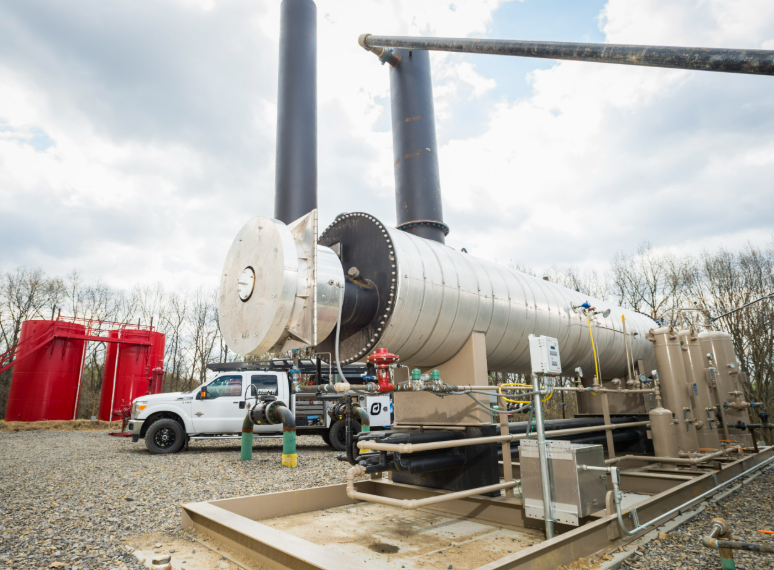
In refineries, pipelines, and storage tanks, flame arresters prevent flashbacks that could lead to explosions. They are integral components of venting systems and gas storage units.
Roller Shade Motor Systems
Motorized roller shade systems may utilize hydraulic or pneumatic components in some designs. If these systems involve flammable vapors or gases, installing a flame arrester ensures safe operation and prevents accidental ignition within ducts or motor housings.
Laboratory and Research Facilities
Labs dealing with flammable chemicals often incorporate flame arresters in fume hoods and ventilation systems to contain potential fire hazards.
Marine and Offshore Applications
Flame arresters are used on vessels, oil rigs, and offshore platforms to protect fuel storage tanks and transfer lines, ensuring safety in harsh marine environments.
See also: Advanced Corporate Finance Techniques 3511204386
Advantages of Using a Flame Arrester
Enhanced Safety
The primary benefit of a flame arrester is the prevention of fire propagation, protecting lives, equipment, and property.
Low Maintenance
With minimal moving parts, Flame Arrester require relatively little maintenance while providing reliable performance over extended periods.
Versatility
Flame arresters are available in various designs and materials, suitable for handling different gases, liquids, and environmental conditions.
Regulatory Compliance
Many industries require flame arresters to meet safety standards such as NFPA, API, and ISO. Compliance ensures both legal and operational safety.
Selecting the Right Flame Arrester
Material Compatibility
Choose materials compatible with the fluids or gases in the system. Stainless steel and high-alloy materials are often preferred for corrosive or aggressive media.
Flow Capacity
The arrester should accommodate the system’s flow requirements without creating excessive pressure drop.
Temperature and Pressure Ratings
Ensure the flame arrester is rated for the maximum operating temperature and pressure of the system. This prevents failure under extreme conditions.
Certification and Standards
Select devices that meet recognized standards to ensure reliability and regulatory compliance.
Installation Guidelines
Proper Orientation
Install flame arresters according to manufacturer instructions. Correct orientation is vital to ensure effective flame quenching and proper gas flow.
Accessibility for Maintenance
While maintenance requirements are minimal, make sure the arrester can be easily accessed for inspection, cleaning, or replacement.
Avoiding Obstructions
Ensure the arrester is free from debris or blockages that could reduce its effectiveness or increase pressure drop in the system.
Maintenance of Flame Arrester
Routine Inspection
Periodic inspection of flame arresters helps detect corrosion, damage, or clogging before it compromises safety.
Cleaning Procedures
Some arrester types may require cleaning to remove dust, dirt, or residue from the metal mesh or plates. Cleaning ensures proper performance without affecting flow.
Replacement Guidelines
If a flame arrester shows signs of damage, deformation, or wear, replace it immediately. A compromised arrester cannot guarantee safety in hazardous environments.
Emerging Trends in Flame Arrester Technology
Advanced Materials
New materials with higher heat resistance, corrosion protection, and mechanical strength are improving flame arrester durability.
Smart Monitoring Systems
Some modern systems integrate sensors to monitor arrester condition in real time, alerting operators to potential issues and enabling predictive maintenance.
Eco-Friendly Designs
Manufacturers are exploring environmentally safe materials and designs that reduce environmental impact while maintaining performance.
Conclusion
Flame arresters are essential safety components in a wide range of industries, from chemical processing to roller shade motor systems. They provide reliable, maintenance-friendly, and cost-effective protection against fire propagation and overpressure hazards. By understanding their operation, selecting the appropriate type, and following proper installation and maintenance procedures, industries can ensure safety, protect equipment, and maintain operational continuity.